Overview
Floch Forster enlisted in the Survey Corps as part of the 104th Training Corps and became infamous as the only soldier to survive Erwin Smith's suicide charge against the Beast Titan during the Battle of Shiganshina. While his comrades were slaughtered by Zeke Yeager's精准 throwing projectiles, Floch survived by hiding behind fallen bodies, an experience that shattered his psyche and replaced his idealism with a consuming belief in extreme nationalism. He emerged from the battle convinced that the old order of the Survey Corps — built on sacrifice, chivalry, and hope — was a path to extinction. Only absolute ruthlessness, centralized power, and the willingness to commit atrocity could guarantee Paradis's survival against a hostile world.
Floch became the founding member and chief propagandist of the Jaegerist movement, a paramilitary faction that elevated Eren Yeager to the status of savior and demanded total loyalty to his plan for the Rumbling. Through a combination of charisma, intimidation, and strategic violence, Floch orchestrated the military takeover of Paradis, assassinated political opponents, and silenced all dissent. He commanded the Jaegerist forces during the raid on Liberio, the suppression of the Survey Corps loyalists, and the final battle for the Founder's power. His death came at the hands of Mikasa Ackerman, who stabbed him through the chest aboard a burning warship. In his final moments, Floch screamed defiance, insisting that the fight for Paradis would continue without him. He represents the seductive danger of political extremism born from genuine trauma and fear.
Appearance
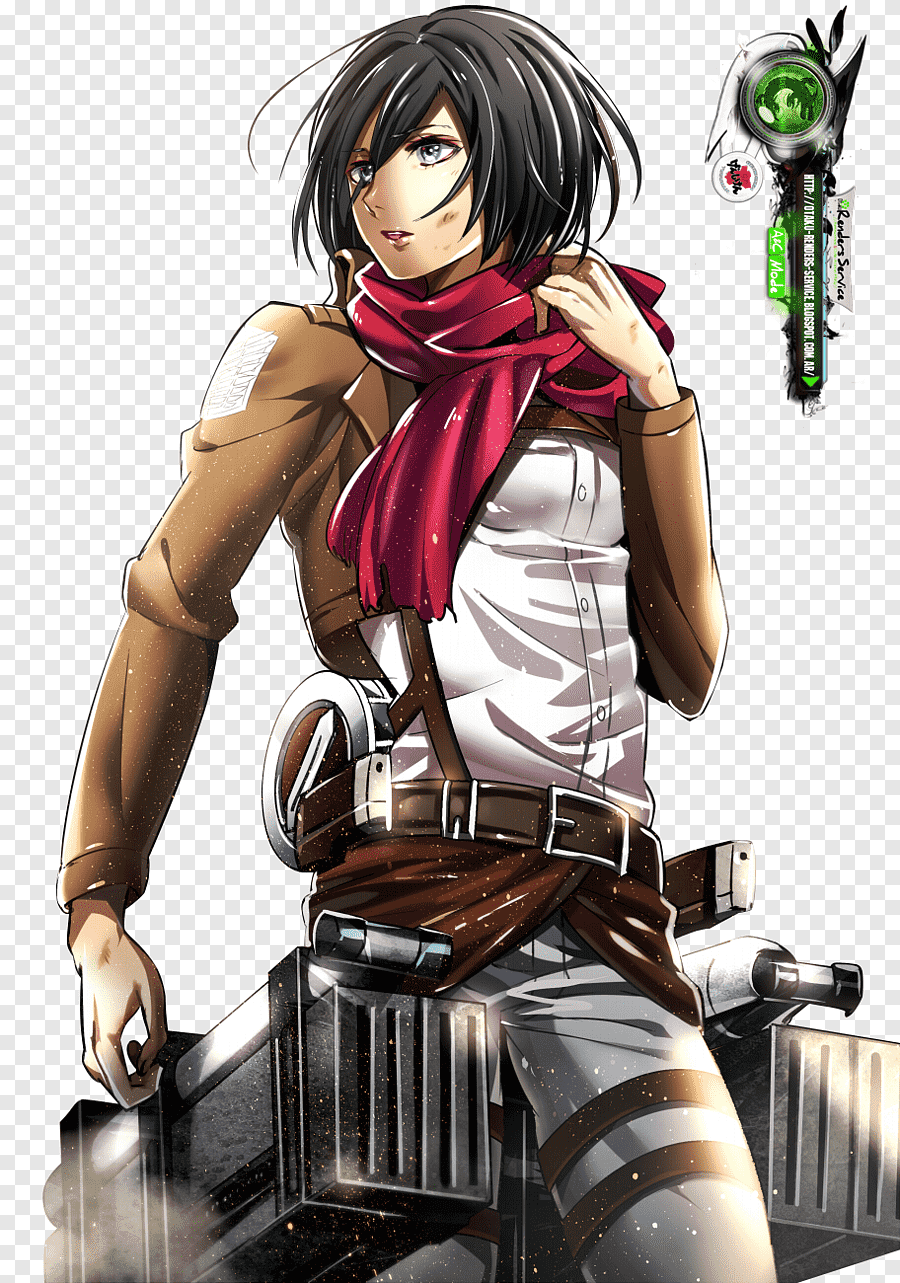
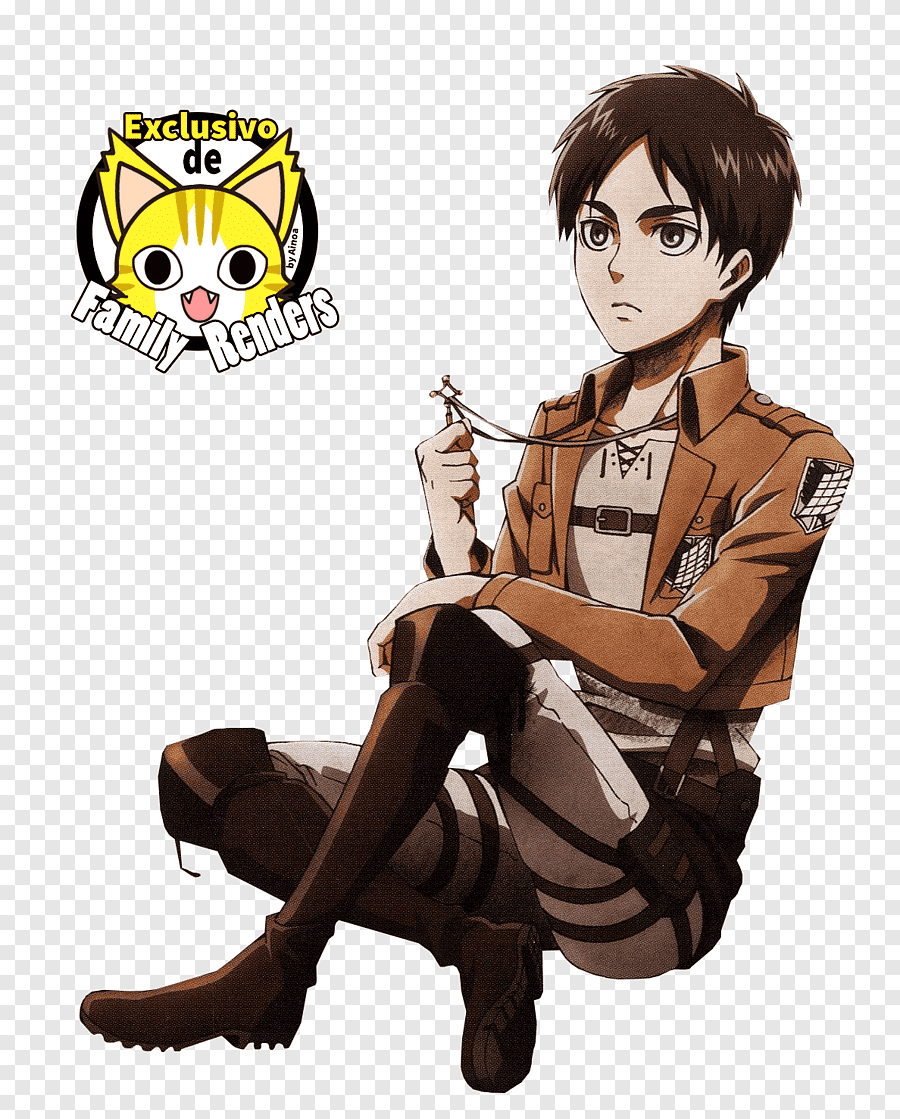
Floch Forster is a young man of average height with a lean, wiry build. He has short, disheveled auburn hair, sharp brown eyes, and a narrow face that often carries an expression of cynical disdain. His standard attire during his Survey Corps service consists of the brown military jacket, white shirt, and cravat typical of the Corps, worn with the green cloak bearing the Wings of Freedom insignia. His posture is notably different from his comrades — where soldiers like Jean or Eren carry themselves with military discipline, Floch slouches and sneers, projecting an air of bitter contempt.
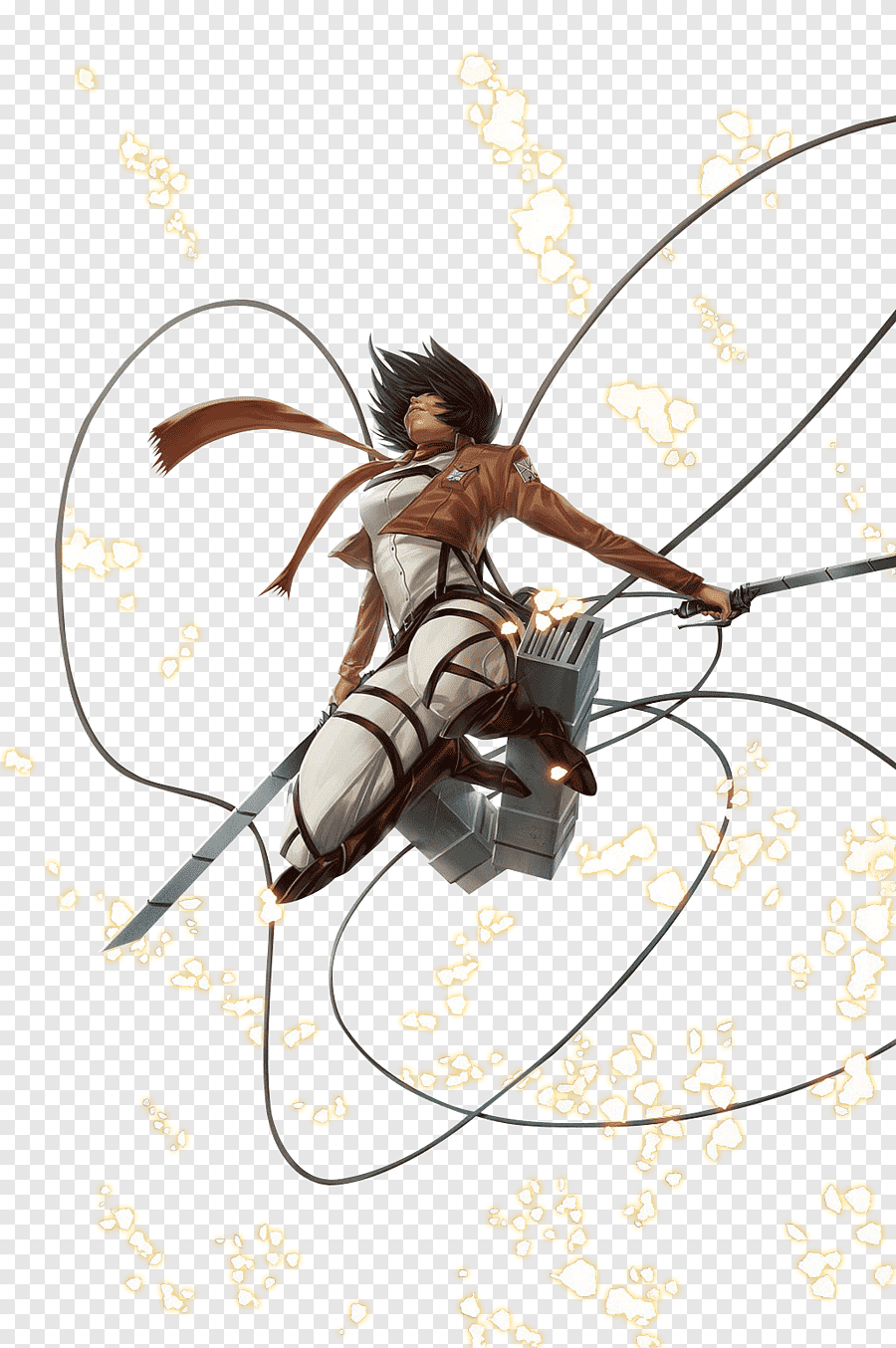
After the Jaegerist takeover, Floch adopts a distinctive black uniform that sets him apart from the traditional Survey Corps aesthetic. He wears a dark, high-collared coat with silver buttons, black trousers, and polished boots, often accessorized with a red armband marking his Jaegerist allegiance. This costume signals his rejection of the old Survey Corps values and his embrace of a new, more militant order. In battle, he carries a rifle modified for anti-personnel use and a standard set of ODM Gear. His appearance becomes progressively more disheveled as the war continues — by the final battle, his uniform is torn, his face is bloodied, and his eyes burn with fanatical desperation. The image of Floch screaming from the deck of a burning ship, wounded and defiant, becomes one of the series' most haunting visual symbols of ideological extremism.
Personality
Floch's personality undergoes a radical transformation over the course of the series. Before the Shiganshina battle, he is portrayed as an anxious, insecure recruit who openly admits his fear of dying and questions the Survey Corps' sacrificial culture. He is the everyman soldier — not especially brave, not especially skilled, just a ordinary person trying to survive in extraordinary circumstances. But the trauma of being the sole survivor of Erwin's charge rewires his psychology completely. He emerges with a furious contempt for the old system of noble sacrifice, which he now sees as a death cult that wastes lives for nothing. His core belief becomes that Paradis must abandon morality and embrace any means necessary to survive, no matter how brutal.
As the Jaegerist leader, Floch displays a chilling combination of charisma, paranoia, and strategic ruthlessness. He is an excellent propagandist who understands how to manipulate public sentiment, using Eren's popularity to legitimize the Jaegerist coup and framing opposition as treason. He is also capable of genuine friendship — his bond with Eren is built on shared purpose rather than mere manipulation. However, his paranoid tendencies lead him to see enemies everywhere, and he authorizes the assassination of civilians and political figures without hesitation. His conviction never wavers, even in the face of death. When Mikasa's blade pierces his chest, his final words are not pleas for mercy but commands for his followers to continue the fight. Floch's tragedy is that his trauma transformed a frightened but fundamentally decent person into a monster who believed he was saving his people.
Abilities & Power
Floch Forster is not an exceptional combatant compared to the elite soldiers of the Survey Corps. He lacks the Ackerman bloodline abilities, the Titan-shifting powers, or the years of combat experience that define characters like Levi or Mikasa. However, he is a competent ODM Gear user and a skilled marksman with a rifle. His true strength lies not in personal combat but in organizational leadership and strategic manipulation. As the founder and de facto commander of the Jaegerist movement, Floch demonstrates remarkable ability in building a paramilitary organization from scratch, coordinating intelligence operations, and executing complex political maneuvers.
Floch's most dangerous weapon is his rhetoric. He understands the psychology of fear and uses it to consolidate power. His speeches to the Paradis military frame the debate in stark terms — either total victory through the Rumbling or total annihilation by the world. There is no middle ground in Floch's worldview, and this binary framing proves extremely effective at recruiting followers who are themselves terrified of extinction. He also demonstrates tactical competence in the field, coordinating the Jaegerist forces during the Liberio raid and the subsequent occupation of Paradis's government. He is willing to do what the old Survey Corps leadership would not — execute prisoners, assassinate civilians, and suppress dissent through force. While morally repugnant, these actions are strategically effective in the short term, allowing the Jaegerists to consolidate power rapidly. His weakness is his fanaticism — his inability to see beyond his binary worldview makes him predictable to opponents like Hange and Armin, who exploit his certainty to outmaneuver him.
Story Arcs
The Suicide Charge and Its Aftermath
Floch is introduced during the Survey Corps' operation to retake Shiganshina. When Erwin Smith orders a suicide charge against the Beast Titan to create a distraction for Levi, Floch is among the soldiers who volunteer, though he does so with visible terror. The charge is a massacre — the Beast Titan's throwing projectiles tear through the cavalry, killing nearly everyone instantly. Floch survives not through skill or bravery but by hiding behind the bodies of his fallen comrades, a fact that fills him with shame and rage. After the battle, he witnesses Levi's decision to save Armin over Erwin, and this moment crystallizes his disillusionment. Erwin, the greatest commander in Survey Corps history, was sacrificed for a teenage boy. To Floch, this proves that the old leadership's values are bankrupt.
Founding the Jaegerist Movement
In the aftermath of the Shiganshina victory, Floch becomes increasingly vocal about his belief that Paradis needs a new direction. He is the first to openly question the Survey Corps leadership and the first to rally behind Eren when Eren begins advocating for a preemptive strike against Marley. Floch uses his status as the sole survivor of the suicide charge as a badge of authority, arguing that he has seen the worst of what the world can do and that only extreme measures can protect Paradis. He begins recruiting like-minded soldiers from the garrison and the military police, building the Jaegerist organization in secret. His charisma and conviction attract a significant following among soldiers who share his fear of the outside world and his distrust of the old guard. By the time the Survey Corps launches its raid on Liberio, the Jaegerists are already a shadow government waiting to seize power.
The Coup and the Rumbling
Following Eren's unilateral decision to activate the Rumbling, Floch leads the Jaegerist takeover of Paradis. The coup is swift and brutal — Jaegerist forces arrest or execute anyone who opposes Eren's plan, including civilians suspected of sympathizing with the Alliance. Floch personally oversees the suppression of the Survey Corps loyalists, hunting down Hange, Levi, and the others who attempt to stop Eren. He commandeers the Paradis military's naval forces and establishes a blockade to prevent the Alliance from reaching Eren. When the Alliance escapes on a flying boat, Floch pursues them with the Jaegerist fleet, engaging in naval combat as the Rumbling's colossus Titans march across the ocean. His determination to stop the Alliance borders on the suicidal — he repeatedly places himself in danger, seemingly unconcerned with his own survival as long as Eren's plan succeeds.
Final Stand and Death
The final confrontation between Floch and the Alliance takes place aboard a Jaegerist warship. As the Alliance attempts to reach Eren's Founding Titan form, Floch engages them with anti-Titan weaponry, managing to damage the flying boat and wound several of its passengers. However, the Alliance counterattacks, and in the chaos, Mikasa Ackerman boards the ship. Floch faces her with a rifle, but Mikasa's Ackerman reflexes make his shots ineffective. She closes the distance and drives her blade through his chest. Mortally wounded, Floch collapses against the ship's railing, still screaming orders for his soldiers to continue the fight. As the ship burns and sinks, Floch's final words are a declaration that the fight for Paradis will endure. His body is consumed by the flames as the ship goes down, and the surviving Jaegerists witness his death from the shore. He dies as he lived — absolutely convinced of his righteousness, refusing to compromise even in his final seconds.
Relationship Network
Eren Yeager. Floch's relationship with Eren is the cornerstone of his ideology. He sees Eren not just as a military commander but as a messianic figure who will deliver Paradis from annihilation. While it is debatable whether Eren genuinely reciprocates Floch's devotion, Floch treats Eren's word as absolute law. He never questions Eren's decisions, even when they become increasingly extreme, and he dedicates the entire Jaegerist apparatus to supporting Eren's vision.
Erwin Smith. Though they never had a close relationship, Erwin's death is the single most influential event in Floch's life. Floch initially volunteers for Erwin's charge out of respect, but surviving while Erwin died transforms his admiration into bitter resentment. He comes to see Erwin's sacrifice as emblematic of everything wrong with the old Survey Corps — a culture of noble death that achieves nothing but martyrdom.
Hange Zoe. Floch regards Hange as a weak and ineffective leader whose indecisiveness will doom Paradis. Their conflict is ideological — Hange believes in finding a peaceful solution through diplomacy and understanding, while Floch believes that peace is impossible and that only overwhelming force can ensure survival. He orchestrates the Jaegerist coup partly to remove Hange from power.
Mikasa Ackerman. Mikasa is Floch's direct antagonist in the final battle. He sees her as a symbol of the old order — an Ackerman elite who serves her own conscience rather than the cause of Paradis. Their final confrontation is brief but definitive, with Mikasa killing Floch to clear the path to Eren.
The Jaegerist Soldiers. Floch commands absolute loyalty from his followers, who see him as a visionary leader willing to do what is necessary. He maintains their devotion through a combination of ideological conviction, personal charisma, and ruthless discipline. His relationship with his soldiers is transactional but effective — they believe in his cause, and he rewards their loyalty with leadership.
Cultural Impact & Popularity
Floch Forster is among the most debated characters in the Attack on Titan fandom, with opinions sharply divided between those who see him as a compelling antagonist and those who despise him as a fanatical extremist. This polarization itself reflects the quality of his writing — he is not a comfortable villain to watch. His ideology mirrors real-world political extremism, making him uncomfortable for audiences who see parallels to actual nationalist movements. Many fans praise his role as the narrative's moral stress test, forcing both characters and viewers to confront difficult questions about the cost of survival and the seduction of authoritarian solutions.
Floch's popularity in the fandom has grown significantly since the series concluded, with many fans retroactively appreciating his role as a tragic figure whose radicalization stemmed from genuine trauma. His death scene, where he screams defiance from a burning ship, has become an iconic image, frequently referenced in fan art and discussion. Voice actor KENN's performance in the Japanese dub and Matt Shipman's English dub portrayal have both received acclaim for capturing Floch's descent from anxious recruit to fanatical leader. He appears in various Attack on Titan video games as a playable character and has inspired numerous analysis essays examining his role as a cautionary tale about the psychology of extremism. For a supporting character with limited screen time, Floch's impact on the fandom's discourse has been remarkably lasting.
Frequently Asked Questions
Yes, Floch dies during the final battle when Mikasa Ackerman stabs him through the chest aboard a burning Jaegerist warship. His final moments show him screaming for his followers to continue the fight as the ship sinks into the ocean.
The trauma of being the sole survivor of Erwin's suicide charge radicalized Floch. He witnessed the massacre of his comrades by the Beast Titan and became convinced that only extreme measures could protect Paradis. He believed Eren's Rumbling was the only guaranteed path to survival.
Yes, Floch Forster was the sole survivor of Commander Erwin Smith's suicide charge against the Beast Titan. All other soldiers in the charge were killed by Zeke Yeager's throwing projectiles. This traumatic experience fundamentally changed Floch's worldview.
Floch is portrayed as a complex antagonist, not a straightforward villain. His beliefs stem from genuine trauma and a desperate desire to protect Paradis. While he commits ruthless acts, the series presents his ideology as an understandable if extreme response to existential crisis.
Floch represents the seductive danger of political extremism born from genuine trauma. He shows how fear and desperation can transform ordinary people into radicals who commit atrocities in the name of survival. He serves as a cautionary figure about the psychology of nationalism.